
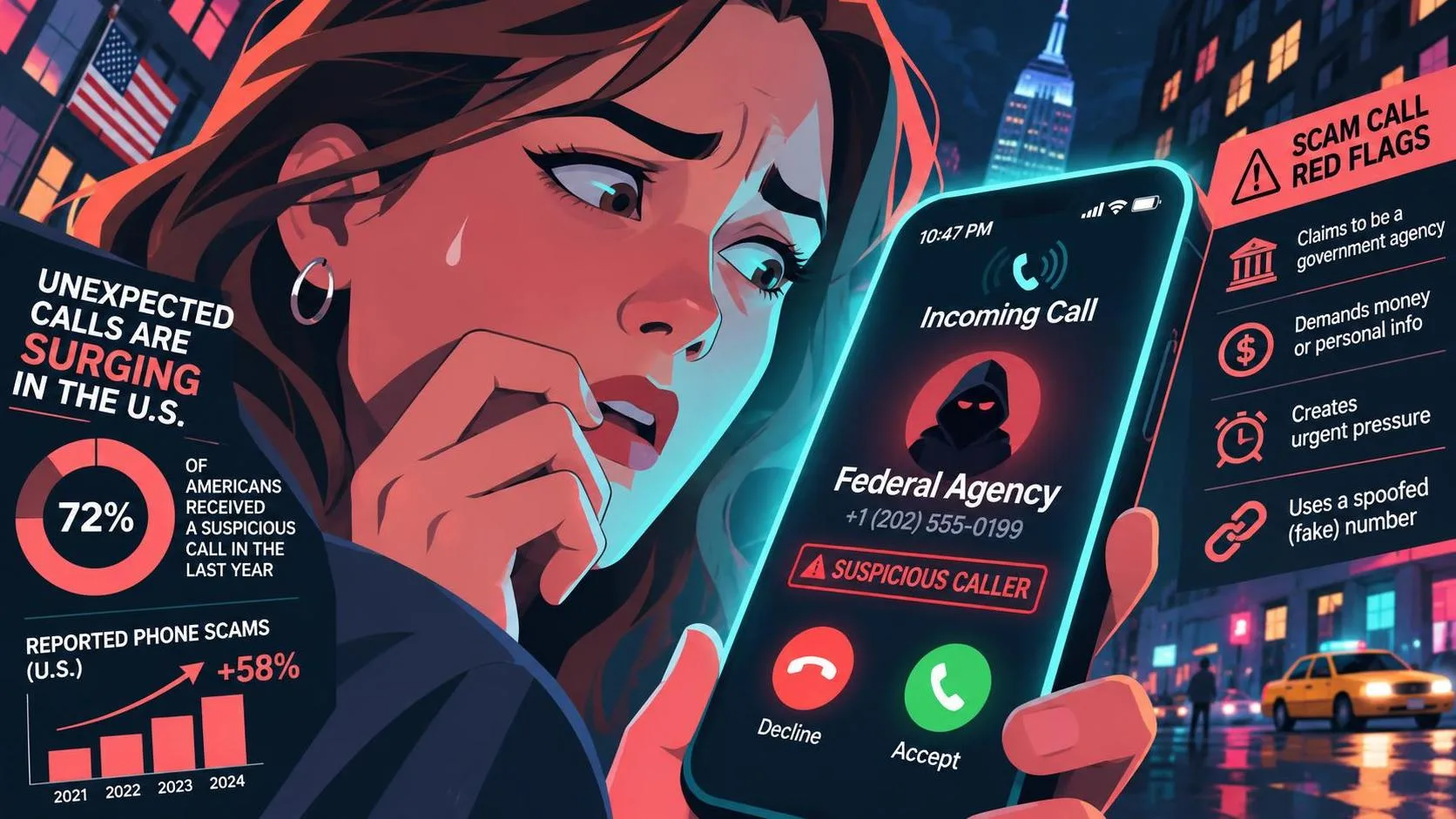
When someone asks, “phone spoofing?” they usually mean one unsettling thing: a call displayed a familiar number, but the person or organization behind it was not what the caller ID suggested. Take a breath before calling back, sharing information, or pressing a number. Caller ID is useful for convenience, not proof of identity. The next safe step is to end the conversation and verify through a trusted number or official app.
What phone spoofing? Actually Means
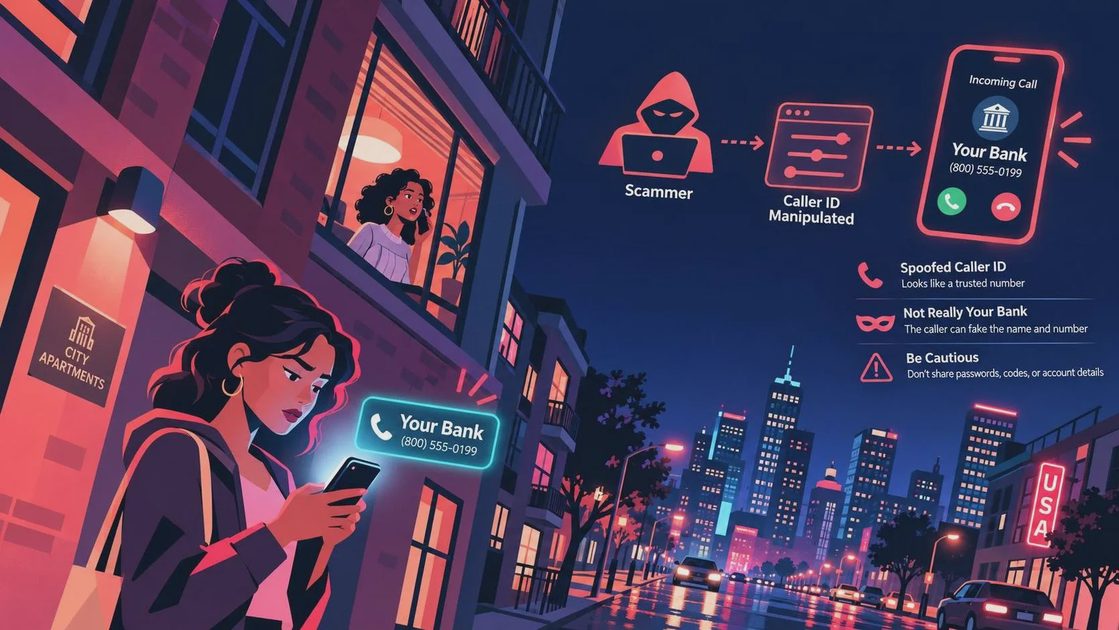
Phone spoofing is the practice of making a call appear to come from a different phone number. A scammer might imitate your bank, a local police department, a medical office, your child’s school, or even a number from your own contact list. The technology behind the display is not the important part. The important point is that the number on your screen can be falsified.
This does not automatically mean your phone has been hacked. In many cases, the caller has simply manipulated caller ID while trying to create urgency. A familiar area code can make a person answer. A government-sounding name can make the request feel official. Once you answer, the caller may ask for a one-time code, a Social Security number, a payment, remote access to a computer, or a transfer through a payment app.
A useful family rule is simple: a caller can claim to be anyone, but you choose how to verify them. If a bank representative calls about fraud, say, “I do not provide account information on an incoming call. I will call the number on my card.” A legitimate employee should understand that boundary.
How to Recognize a Suspicious Call
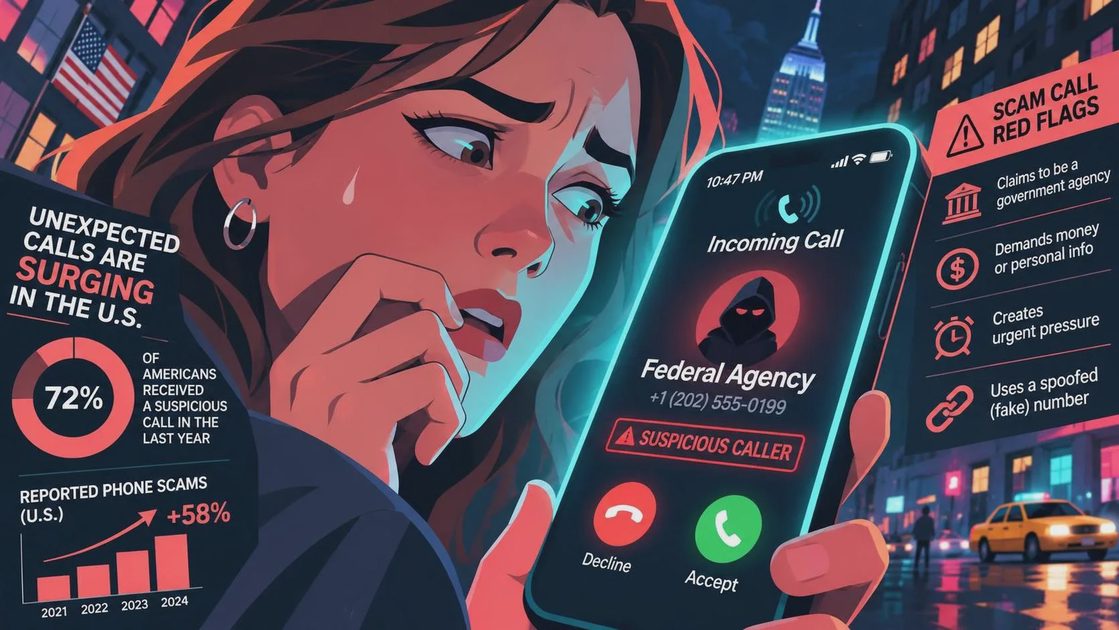
People searching for phone spoofing? often want to know whether a displayed number proves the call is real. It does not. Focus on the request and the pressure rather than the caller ID.
Warning signs include a demand to keep the call secret, a threat of arrest or account closure, instructions to move money to “protect” it, or a request for a verification code that just arrived by text. Scammers may also insist that you stay on the line while opening your banking app. That prevents you from slowing down and asking someone you trust.
Some calls are less dramatic. A caller might offer a lower credit-card rate, ask whether you can hear them, or pretend to confirm an appointment. A short conversation alone does not usually give someone access to your accounts. The risk rises when you confirm personal details, follow a link, install software, or share a code.
Do not rely on a local number, a branded caller ID, or a voice that sounds familiar. Voice imitation and recorded scripts can make a call feel personal. If a supposed family member asks for money from an unfamiliar number, call that person directly using your saved contact, or ask a private question that an impersonator would not know. Avoid using the number that called you.
What to Do During and After the Call
If you suspect phone spoofing? end the call without arguing. You can say, “I do not make account decisions on incoming calls. I will contact the organization directly.” Do not press a number to reach an agent or to supposedly remove yourself from a list. Hang up, wait a moment, and use a trusted channel.
Write down the date, time, displayed number, claimed organization, exact request, and any callback number. Save voicemails and screenshots before deleting anything. If a text message or email followed the call, do not click its links; preserve it as evidence instead. This record helps a bank, carrier, platform, or fraud-reporting agency understand what happened.
If you shared a password, change it from the organization’s official website or app. Use a unique password and sign out other sessions when that option is available. If you shared a one-time code, contact the account provider immediately and explain that the code was disclosed during a suspected scam. A code can be used to prove control of an account, so speed matters.
If money was sent, contact the bank, credit-card issuer, wire service, or payment-app company using its official contact information. Ask whether the transaction can be stopped or reversed. A fast report does not guarantee recovery, but delaying makes the options narrower.
Helping a Parent or Spouse Without Blame
Phone spoofing? becomes harder to manage when the person who answered feels embarrassed. Avoid opening with “How could you fall for that?” Shame encourages secrecy, especially when someone fears losing access to a bank account or phone.
Try: “These calls are designed to look convincing. Let’s check what information was shared and take one step at a time.” Then ask neutral questions: Did you provide a password? Did you read a texted code? Did you install anything? Did you send money? Was the caller still on the line when you opened an account?
Create a household script and keep it near the phone: “We never share codes or move money because of an incoming call. We hang up and call back through an official number.” For an older parent, add trusted contacts for the bank, mobile carrier, doctor, and payment services to a paper incident card. A written reference is valuable when stress makes online searching difficult.
Protecting Accounts and Phones Next
No setting can prevent every spoofed call, but several small changes reduce the damage. Turn on multifactor authentication for email, banking, shopping, and social accounts. An authenticator app or security key can be stronger than text messages, although any available multifactor option is generally better than using only a password.
Ask your mobile carrier about call-filtering or spam-labeling features. Apple and Android phones also provide options to silence or screen unknown callers. These tools can reduce interruptions, but they can sometimes delay a legitimate call from a school, clinic, or delivery driver. Review voicemail regularly so an important message is not missed.
Keep the phone’s operating system and major apps updated. Review account recovery email addresses and phone numbers twice a year. Set a transaction alert on bank and credit-card accounts, and use a credit freeze if identity theft has occurred or you want to block new credit applications while you investigate. These steps address account misuse; they do not make caller ID trustworthy.
A Simple Family Response Plan
If phone spoofing? comes up in your household, use the same sequence every time. First, stop the conversation and do not follow new instructions. Second, preserve the number, voicemail, messages, and notes. Third, identify exactly what was shared or sent. Fourth, contact the affected organization through its official app, statement, card, or website. Fifth, change exposed credentials and review account activity.
Report suspected fraud to the Federal Trade Commission at ReportFraud.ftc.gov. If the call involved threats, impersonation of a government agency, or financial loss, provide the saved details to the appropriate organization or law-enforcement agency. Your mobile carrier may also accept reports about unwanted calls.
The goal is not to identify every technical trick used by scammers. It is to make the next decision safer. A caller ID can start a conversation, but it cannot establish trust. Slow down, verify independently, and involve another person when money, access codes, or sensitive information are involved. Take the next safe step, then the one after that.