
Learn how to prevent identity theft? Start with credit freezes, stronger account security, family safeguards, and a practical plan if information is stolen.

Choose a password vault application for your family, set it up safely, and make a recovery plan that works when someone loses a phone or needs help.
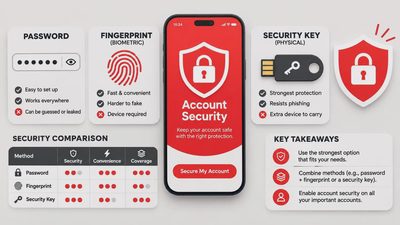
Passkeys vs passwords: learn which offers stronger protection, how to set up a passkey, and what your family should do before a device is lost or stolen.
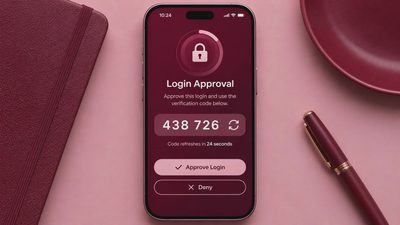
What is a 2 factor authentication app? Learn how to choose one, set it up safely, save recovery codes, and help a family member avoid common sign-in scams.

Identity access management helps families control who can use important accounts. Learn how to review access, recover accounts, and respond to trouble.
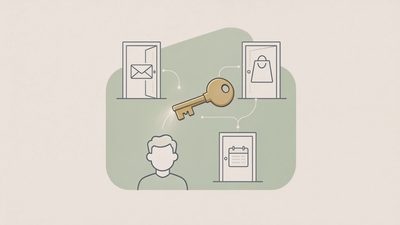
Families need authentication methods they can actually maintain across phones, older relatives, and shared accounts. This guide compares passkeys, passwords, and authentication apps in plain language so households can choose what fits real life.

Credit freezes and fraud alerts solve different problems. This guide explains what each one actually does, when ordinary households need them, and how to place or lift them without unnecessary stress.
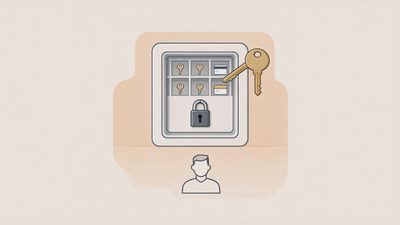
Paid identity-monitoring services are heavily marketed after every breach. This guide examines what they actually provide, what free tools already cover, and when a subscription may add real value for a household.
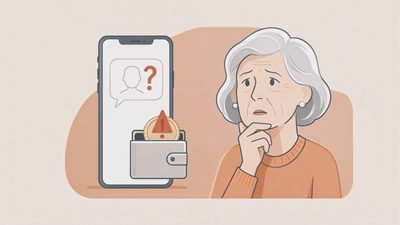
SIM swapping is real but often described in exaggerated terms. This guide explains what a successful SIM swap can and cannot do, and the practical steps ordinary households can take to reduce the risk.

A realistic 45-minute review once in a while keeps recovery information current and closes obvious gaps without turning the day into a project. This guide provides a focused checklist any household can complete on a quiet Sunday.