Worried about scam medicare calls? Hang up without sharing information, even if the caller says your coverage is at risk. Then call Medicare at 1-800-MEDICARE (1-800-633-4227), or call your plan using the number on your member card. You do not have to settle an unexpected request while someone is pressuring you on the phone.
What makes a Medicare call suspicious?
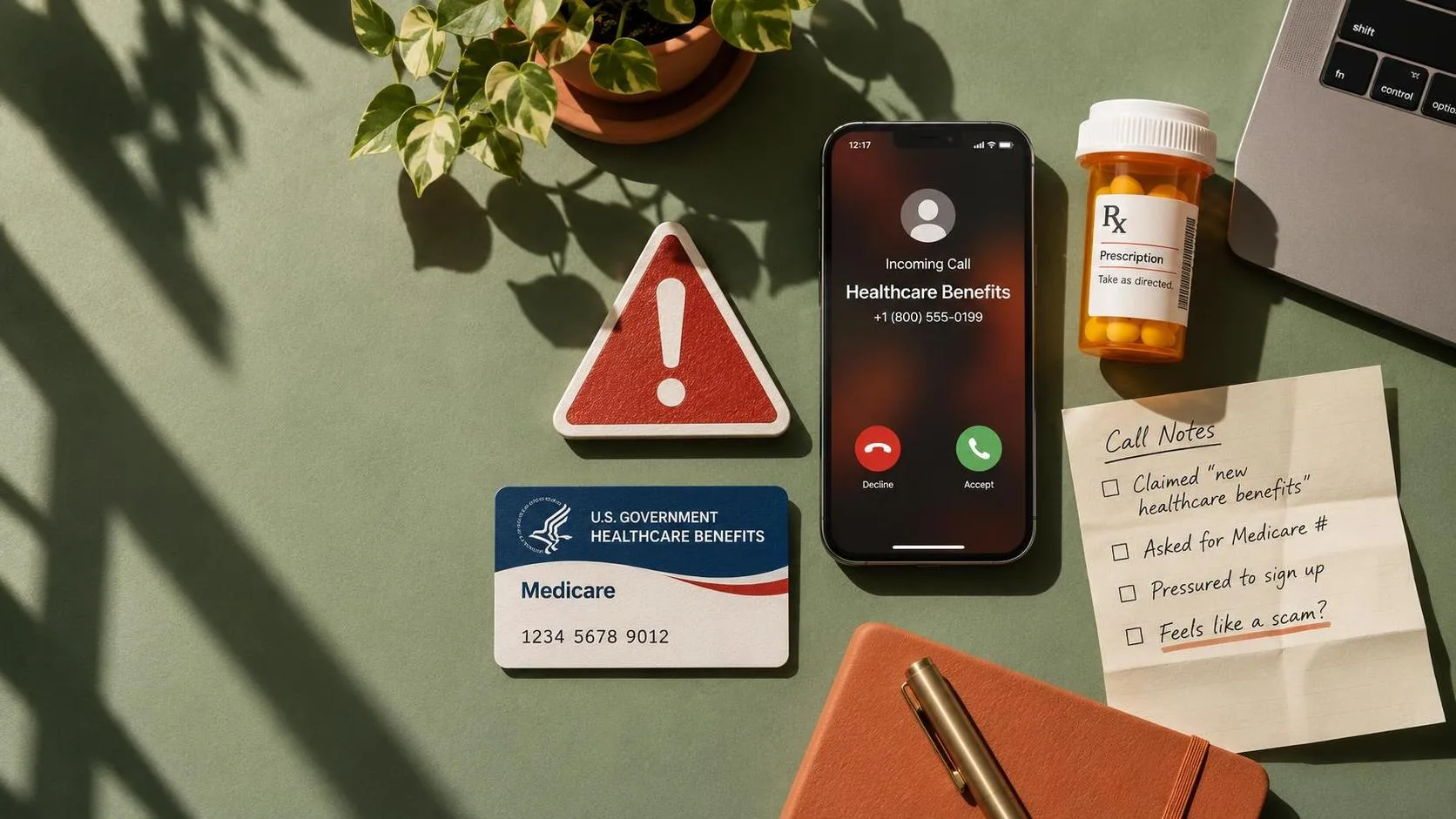
A caller may claim you need a replacement card, a new benefit, genetic testing, medical equipment, or an immediate coverage update. The warning sign is not just the subject: it is an unexpected request for your Medicare number, Social Security number, bank information, or a one-time security code. Pressure to act immediately is another reason to end the call.
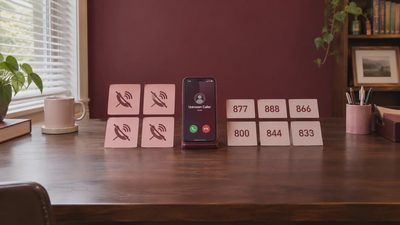
A displayed phone number is not proof of identity. Caller ID can be spoofed, meaning the number on your screen can be made to look like it belongs to a trusted organization. Let the call end, then dial a number you found yourself rather than calling back the number the person gave you.
Are all unexpected calls scam medicare calls? No. A health plan, provider, or Medicare representative may contact you in some circumstances, including after you request help. But a real reason to talk does not require you to trust an incoming call. You can say, “I don’t give information on incoming calls. I’ll call the number on my card.”
Verify the issue without relying on the caller
Write down the caller’s claimed name and organization, the time, the displayed number, and what they wanted. You can do this after hanging up; there is no need to keep a suspicious caller talking. Save a voicemail or text, but do not click a link in it.
For Original Medicare questions, call 1-800-MEDICARE. For a Medicare Advantage or Part D plan, use the customer service number on your plan card or a statement you already trust. If the issue involves a doctor or a medical order, call the office using a number from your records, not one supplied during the suspicious call.
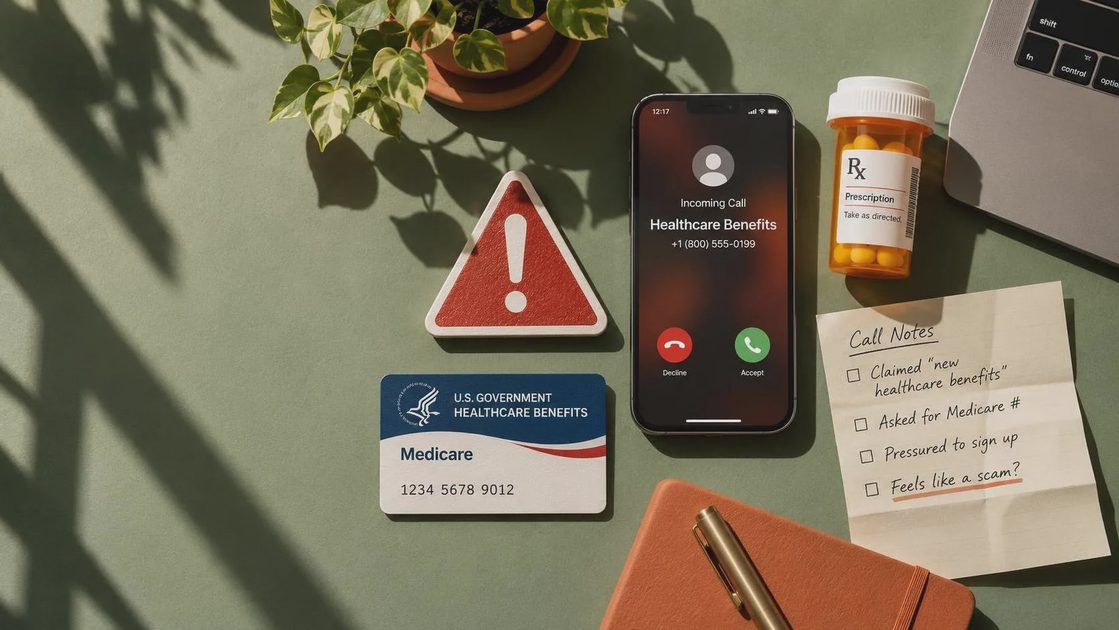
Ask the representative: “Was there a real request about my account or coverage? Does anyone need information from me?” If you help a parent, ask whether they want you on the call. The organization may need their permission or other authorization before discussing private details with you.
Did you share a Medicare number?
First, take a breath. Sharing a Medicare number does not automatically mean someone can empty a bank account. It can, however, put the number at risk of misuse, including fraudulent billing. The response depends on what else was shared and whether any unfamiliar services appear in your records.
Concerned about scam medicare calls? Tell Medicare what happened at 1-800-MEDICARE. If you have a Medicare health or drug plan, also contact the plan using the number on your card. Ask how to monitor for misuse and whether a replacement Medicare number or card is appropriate. A new number is not necessarily issued in every case.
Review your Medicare Summary Notices for Original Medicare, or your plan’s explanations of benefits, for services, supplies, dates, or providers you do not recognize. A notice is not always a bill. If an entry looks wrong, call the provider first when practical; it may be an ordinary billing error. If it remains unexplained, report it to Medicare or your plan. Keep the notice and a record of whom you spoke with.
If you shared financial information or a login
If you gave the caller a bank account, credit card, or debit card number, contact the financial institution immediately using the number on your card or a trusted statement. Explain exactly what was shared and ask about stopping unauthorized transactions and replacing affected cards or account details. Review recent activity and report anything you do not recognize.
If you shared a password or a one-time code, go directly to the affected account through its known website or app. Change the password, review recovery contact information, and sign out of other sessions if the service offers that option. Contact the account provider if you cannot get in or notice changes you did not make. A one-time code can let someone complete a sign-in; do not read one to an unexpected caller.
If you shared your Social Security number or other identity information, visit IdentityTheft.gov for a recovery plan. Consider placing a free credit freeze with each of the three major credit bureaus: Equifax, Experian, and TransUnion. A freeze restricts access to your credit report and makes it harder for someone to open many new credit accounts in your name; it does not stop Medicare billing fraud or protect existing accounts by itself.

What about scam medicare calls? If all you did was answer and say hello, that alone does not mean your identity has been stolen. Hang up, block the number if you like, and stay alert to future attempts. Scammers can change displayed numbers, so blocking one number will not stop every call.
Where to report the call
Report suspected Medicare fraud to Medicare at 1-800-MEDICARE. You can also report an impersonation or other scam to the Federal Trade Commission at ReportFraud.ftc.gov. Include the date, the number displayed, the story the caller used, and any information you shared. Reporting is useful even when you caught the attempt before giving anything away.
If you are dealing with scam medicare calls? A local Senior Medicare Patrol can also help people recognize and report suspected Medicare fraud. Find your state’s program through SMPResource.org. Keep your notes and any messages, but avoid posting Medicare numbers or other sensitive details publicly when asking for help.
Make a family plan before the next call
When discussing scam medicare calls? Start with reassurance rather than a quiz: “Those calls can sound convincing. Next time, let’s hang up and check together.” Agree on one rule everyone can remember: no Medicare numbers or payment details on an unexpected call.
Keep an incident card near the phone with Medicare’s number, the number on the relevant plan card, and a trusted family contact. Do not put passwords, full account numbers, or Medicare numbers on it. If a caller claims there is an emergency, pause and call the organization independently.
Take the next safe step: put 1-800-MEDICARE somewhere easy to find today. This guide is educational, not individualized legal, financial, or medical advice.