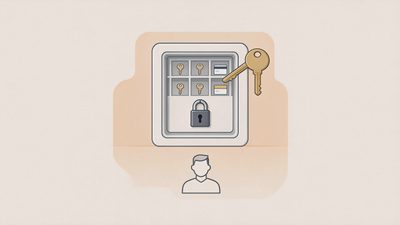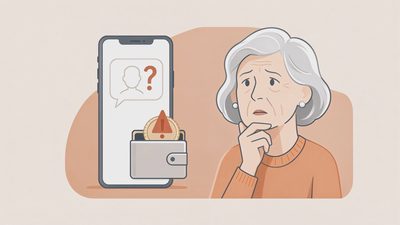
After a data breach or a suspicious account opening, many people are told to “freeze their credit” or “put a fraud alert on file.” The two actions are often presented as interchangeable. They are not. Understanding the difference prevents both under-protection and unnecessary friction.
What a fraud alert does
A fraud alert tells lenders and creditors to take extra steps to verify identity before opening new credit in your name. It is free and can be placed by contacting any one of the three major credit bureaus; that bureau is required to notify the other two.
An initial fraud alert usually lasts one year and can be renewed. An extended alert is available with an identity-theft report and lasts seven years.
A fraud alert does not block all new credit. It adds a verification step. It is useful when you want extra caution but still need the ability to open accounts with moderate effort.
Verification rather than blockage
The fraud alert’s core function is to require additional identity confirmation before new credit is issued. A lender who sees the alert is expected to take extra steps—often a phone call or additional documentation—before approving an application. The alert does not prevent the application from being processed; it raises the bar for approval.
Placement through a single bureau
Contacting any one of the three major bureaus is sufficient because that bureau must notify the other two. This design makes the initial placement relatively simple. The household does not need to repeat the process at each bureau for a standard fraud alert.
Duration and renewal as practical considerations
A one-year initial alert covers many post-breach periods of elevated concern. Renewal is available and straightforward. The extended seven-year alert, which requires an identity-theft report, is appropriate when actual identity theft has been documented and longer protection is warranted. Matching the duration to the situation avoids both under-protection and indefinite friction.
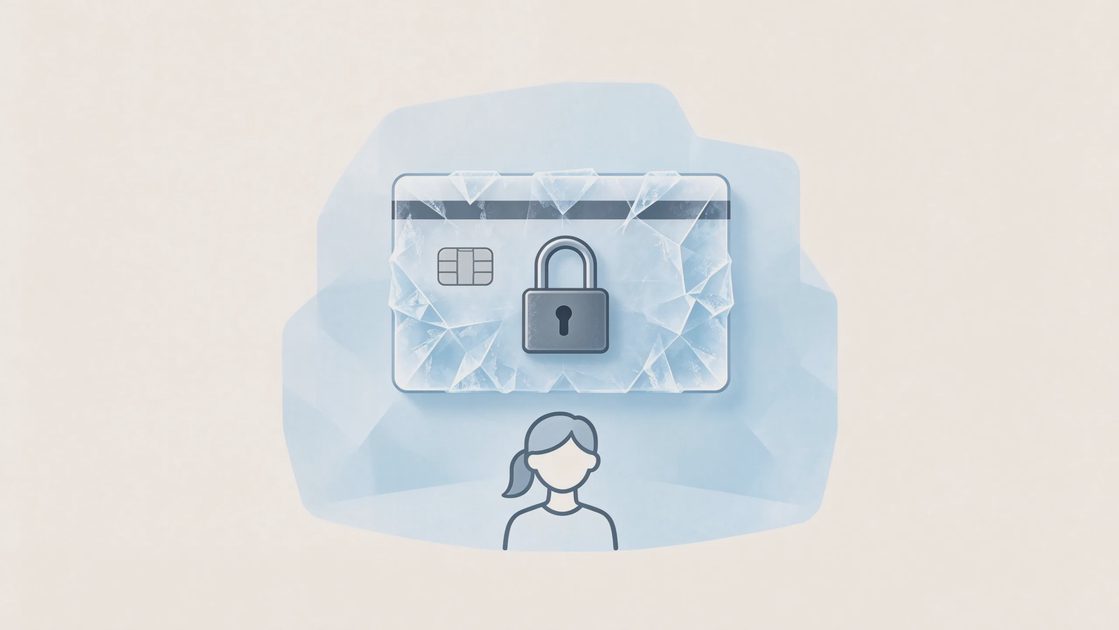
What a credit freeze does
A credit freeze restricts access to your credit report. Most new creditors cannot see the report and therefore will not open new accounts. You can freeze and unfreeze (or “thaw”) your report as needed, usually online or by phone, with a PIN or password you set.
A freeze is stronger than an alert. It is also more work when you legitimately need new credit, a loan, or certain background checks. You must lift the freeze with each bureau that you froze, at least for a period of time or for a specific party.
Restriction of access as the core mechanism
Unlike the fraud alert, which adds a verification step, the freeze prevents most new creditors from viewing the credit report at all. Without access to the report, the typical new-account application cannot proceed. That stronger blockage is the freeze’s primary advantage and the source of its greater friction when legitimate credit is needed.
Separate action at each bureau
A freeze must be placed (and later lifted) at each of the three major bureaus individually. The process is usually available online or by phone and requires a PIN or password the consumer creates. Recording those PINs on the household emergency sheet prevents a later lockout from the freeze itself.
Temporary lifts for legitimate needs
When a mortgage, auto loan, or other credit application is planned, the freeze can be lifted for a specific period or for a specific creditor. Planning the lift a few days before the application reduces last-minute friction. Re-freezing afterward restores the protection. The ability to lift and re-freeze is what makes the freeze compatible with ordinary financial life.
When each one fits ordinary household needs
After a confirmed identity theft or a clear fraudulent account: a freeze is often the more appropriate first move, paired with the official recovery steps at the FTC and the bureaus.
After a large data breach where your information may have been exposed but no fraud has appeared: many people choose a freeze for peace of mind; others prefer a fraud alert so daily life remains simpler.
When you simply want extra verification on new credit applications: a fraud alert is usually sufficient.
Neither tool stops misuse of existing accounts. They address new-account fraud. Protecting existing bank and credit-card accounts still requires monitoring statements and using strong authentication.
Confirmed identity theft as the strongest case for a freeze
When a fraudulent account has already been opened or an identity-theft report has been filed, the stronger blockage of a freeze is usually the proportionate response. Combined with the FTC’s recovery process and direct contact with the affected creditors, the freeze reduces the chance of additional new accounts during the recovery period.
Breach exposure without confirmed fraud
After a large breach in which personal information may have been exposed but no fraudulent accounts have appeared, households reasonably differ. Some prefer the stronger protection of a freeze; others prefer the lower daily friction of a fraud alert. Both are legitimate choices. The decision can be revisited if evidence of misuse later appears.
Existing-account protection remains separate
Freezes and alerts do not stop someone who already has access to an existing bank or credit-card account. Transaction alerts, strong authentication, and prompt review of statements remain the primary protections for accounts that already exist. Treating freezes and alerts as complete identity protection leaves existing-account risk unaddressed.
How to place them without chaos
Place a fraud alert by contacting one bureau; it propagates. Place a freeze separately at each of the three bureaus (Equifax, Experian, TransUnion). Do it from a device and connection you trust. Record the PINs or passwords you create on the household emergency sheet.
Lift a freeze only when you know you need new credit, and set a calendar reminder to re-freeze afterward if desired.
Trusted device and connection for placement
Placing a freeze or alert involves creating PINs and confirming identity. Completing those steps from a device and network the household trusts reduces the chance that the process itself is intercepted or that the new PINs are exposed. A calm, deliberate session is preferable to a rushed placement on a public or unfamiliar device.
Recording freeze PINs on the emergency sheet
The PINs or passwords created during the freeze process are required to lift the freeze later. Storing them on the household emergency sheet alongside carrier PINs and recovery contacts ensures they are available when a legitimate credit application requires a temporary lift. Losing the freeze PIN creates an avoidable obstacle.
Calendar reminders for temporary lifts
When a freeze is lifted for a planned application, a calendar reminder to re-freeze after the expected closing or approval date prevents the protection from remaining off indefinitely. The reminder turns a temporary exception back into the default protected state.
What this does not mean
A freeze or alert does not make you “safe” from every form of identity misuse. It is one targeted tool. It also does not require paying for any monitoring service; both actions are free through the bureaus.
Targeted scope rather than comprehensive protection
Freezes and alerts address the specific problem of new credit accounts opened in someone else’s name. They do not prevent misuse of existing accounts, tax-related identity fraud, or medical identity fraud. Understanding the scope prevents both over-reliance and the false sense that no further attention is needed.
Free through the official channels
Both the fraud alert and the credit freeze are available at no cost through the three major bureaus. Paid monitoring services may bundle related features, but the core freeze and alert actions do not require a subscription. Households can implement these protections without adding a recurring expense.
Reversibility as a design feature
Both tools can be renewed, extended, lifted, or allowed to expire. They are not permanent commitments. Households can adjust the level of friction as their circumstances and risk perception change. That flexibility is part of what makes them practical for ordinary use.
The next safe step
If you have never checked, visit the official site of one major credit bureau and see whether a freeze or alert is already in place on your file. Knowing the current status is the starting point for any decision.
Take the next safe step.