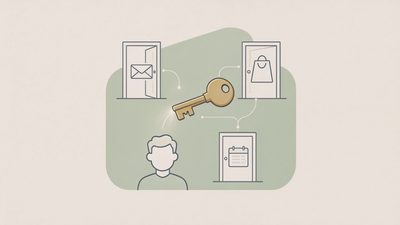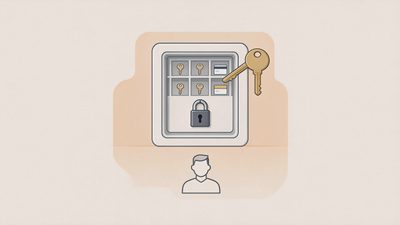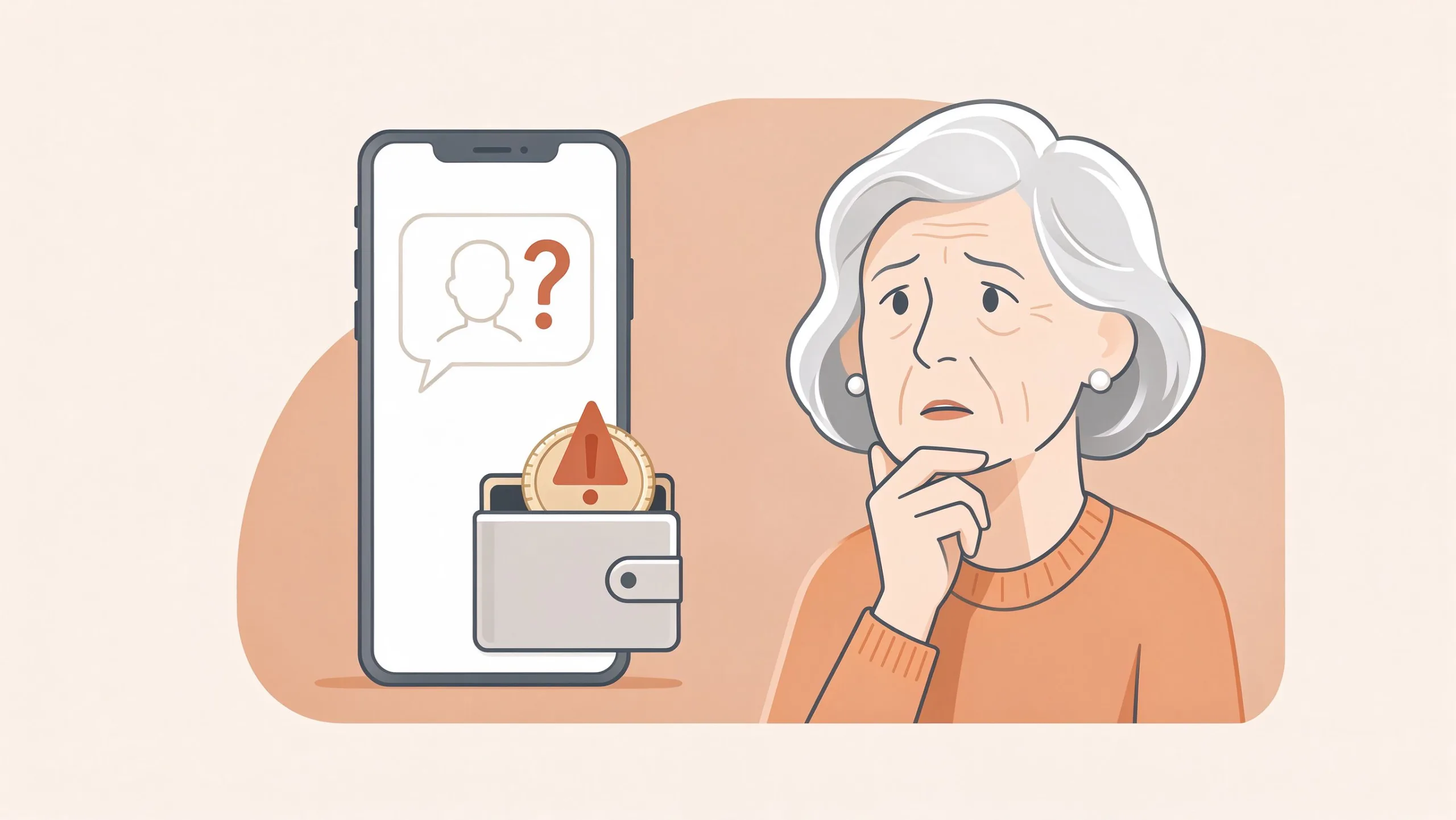
A SIM swap occurs when someone convinces a mobile carrier to move a phone number to a new SIM card or device they control. Once they control the number, they may receive text messages and calls intended for the original owner, including some one-time codes.
The technique is used in real account takeovers. It is also frequently described in ways that make it sound inevitable or all-powerful. Clear limits help families respond proportionately.
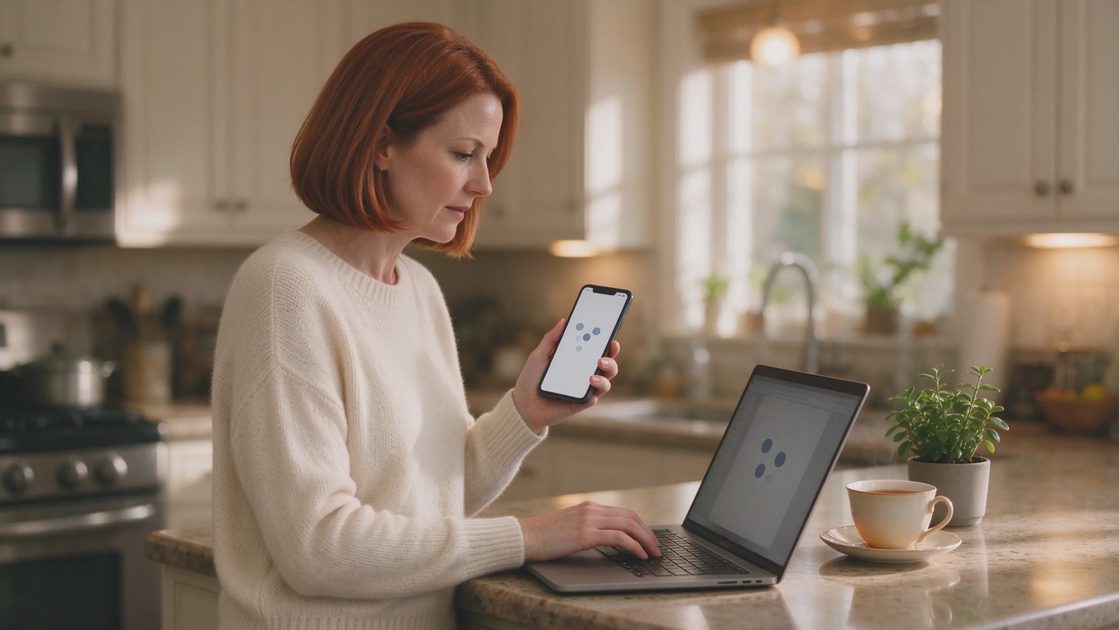
What a successful SIM swap can do
Receive SMS one-time codes sent to that phone number
Receive calls and voicemails intended for the number
In some cases, reset accounts that rely only on SMS verification and have weak additional protections
Cause the original phone to lose cellular service
Control of the SMS channel
The primary capability gained by a successful SIM swap is the ability to receive text messages and calls directed to the number. Any account that still treats SMS as the sole second factor becomes reachable through that channel. The attacker does not automatically gain the password; they gain the ability to intercept the code that is sent after a password is supplied or after a recovery flow is started.
Service disruption on the original device
When the number is moved, the original phone typically loses cellular service. That sudden loss of signal is often the first symptom the legitimate owner notices. Recognizing the symptom and contacting the carrier through a verified channel is the practical first response.
Account resets that depend only on SMS
Accounts that allow password reset or login solely through an SMS code, with no additional password or authenticator requirement, are the most exposed. Strengthening those accounts so that SMS is not the only factor reduces the damage a swap can inflict even if the number is temporarily controlled by someone else.
What a SIM swap cannot automatically do
Bypass accounts protected by authenticator apps, passkeys, or app-based approvals
Access accounts that require a password the attacker does not have
Unlock a phone that has a strong passcode and Find My or similar features enabled
Drain bank accounts that use additional verification beyond SMS
Affect numbers protected by a carrier account PIN or port freeze that the attacker cannot clear
Authenticator apps and passkeys remain independent
Codes generated by an authenticator app or cryptographic assertions created by a passkey do not travel through the SMS channel. A SIM swap does not deliver those codes to the attacker. Accounts that use these methods as the second factor remain protected even while the phone number is under temporary hostile control.
Passwords and device locks as remaining barriers
A SIM swap does not reveal the account password or the device passcode. An attacker who controls the number still needs the password to begin most recovery or login flows, and still cannot unlock a phone that has a strong passcode and find-my features enabled. The swap removes one channel; it does not remove every control.
Carrier PIN and port freeze as effective blockers
A carrier account PIN or port freeze that the attacker cannot clear prevents many swap attempts from succeeding in the first place. When the PIN is set and recorded on the household emergency sheet, the most common social-engineering path at the carrier is closed. This single control is among the highest-leverage free protections available.
Practical protections that fit ordinary households
1. Set a carrier account PIN or passcode
Almost every major carrier allows an account-level PIN that must be provided before certain changes, including SIM or number moves. Set one and record it on the emergency sheet. This single step blocks many casual swap attempts.
2. Move high-value accounts away from SMS-only verification
Where the service offers an authenticator app or passkey, use it for email and banking. Keep SMS as a backup only if needed.
3. Monitor for sudden loss of service
If the phone suddenly shows no service and the account has not been changed by the family, contact the carrier through a verified channel immediately and ask whether a SIM or number change was requested.
4. Limit the damage path
Even if a number is swapped, strong unique passwords and non-SMS second factors on the primary email and bank accounts prevent most further access.
The carrier PIN as the first and most important control
Setting and recording a carrier account PIN is free, takes only a few minutes, and directly addresses the mechanism of the swap. Households that complete this step close the most common path attackers use at the carrier. The PIN belongs on the emergency sheet so it remains available when the primary phone is the one that has lost service.
Upgrading primary email and banking first
Moving the primary email and the main bank account to an authenticator app or passkey, where available, removes the highest-consequence targets from SMS-only dependence. Remaining accounts can be upgraded over time. The priority is the accounts that can reset others or move money.
Sudden loss of service as an actionable symptom
A phone that unexpectedly shows no cellular service, while the household has made no changes, warrants an immediate call to the carrier through a number obtained from the official app or the emergency sheet. Early detection limits the window during which intercepted codes can be used.
Talking about SIM swaps without fear
When explaining the risk to family members, stay factual:
“Someone can sometimes move a phone number if the carrier account isn’t protected by a PIN. That’s why we set the PIN and why we use app-based codes for the bank instead of only text messages.”
Avoid language that implies every phone is about to be taken over. Most households that set the carrier PIN and strengthen the main accounts never experience a successful swap.
Factual description rather than dramatic framing
SIM swapping is a real technique used in real account takeovers. It is not an inevitable fate for every mobile user. Describing the mechanism and the specific controls that block it produces informed action; describing it as an unstoppable threat produces anxiety without improving the configuration.
Connecting the explanation to the concrete steps already taken
When the carrier PIN is already set and the primary accounts already use stronger second factors, the explanation can point to those completed steps. The family hears both the risk and the fact that the main protective actions are already in place. That combination is calming and accurate.
Proportionate attention rather than constant vigilance
Once the carrier PIN is set and the high-value accounts are upgraded, ongoing attention can return to ordinary levels. Continuous fear of an imminent swap is not required. The protective work is largely complete; remaining awareness is limited to recognizing sudden loss of service and knowing the verified carrier number.
What this does not mean
Awareness of SIM swapping does not require abandoning mobile phones or paying for special services. The highest-value actions are free and take only a few minutes at the carrier and on the most important accounts.
Free controls address the primary paths
The carrier account PIN, the move of primary email and banking away from SMS-only verification, and the habit of contacting the carrier through a verified number when service disappears are all free. They address the mechanisms that make SIM swaps damaging. Paid services are not required for the core protections.
Mobile phones remain practical and protectable
The existence of SIM-swap techniques does not make mobile phones unusable or inherently unsafe. Configured with a carrier PIN and with high-value accounts using stronger second factors, the phone remains a practical tool whose residual risk is manageable for ordinary households.
Completion of the core steps is the success condition
A household that has set the carrier PIN, upgraded the primary email and bank second factors, and recorded the official carrier number has completed the practical response to SIM-swap risk. Further anxiety or additional paid tools are optional, not mandatory.
The next safe step
Log into your mobile carrier account today or call the official support number and confirm whether an account PIN is set. If it is not, set one and write it on the household emergency sheet.
Take the next safe step.