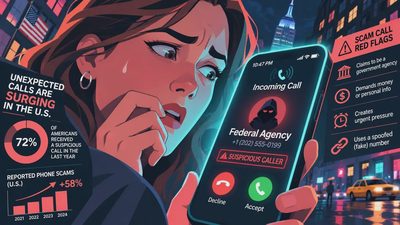

If you searched “bank of america scam?” after receiving a strange text, email, phone call, or account alert, start with one simple action: stop interacting with the message. Do not click its link, call its number, share a verification code, or move money because someone created urgency. A suspicious contact does not automatically mean your Bank of America account was hacked. It means you need to verify the situation through a trusted path.
First, separate the message from the real bank
Scammers often borrow familiar names, colors, logos, and phrases. A text might say a payment was declined, an email might warn about unusual activity, or a caller might claim that an account will be closed within minutes. The pressure is the warning sign. Real financial institutions can ask you to confirm activity, but you do not have to prove yourself to an unexpected caller by handing over a password, debit card PIN, or one-time code.
Close the message and open the Bank of America mobile app or type the bank’s known website address yourself. Do not use the contact details in the suspicious message. You can also use the phone number printed on the back of your debit card or credit card. If the alert is real, the bank’s secure app or official support channel should provide a way to review it.
If someone asks you to transfer money to “protect” it, buy gift cards, install remote-access software, or read a security code aloud, end the conversation. Those are common fraud patterns, not safe account-protection steps. Take a screenshot before deleting anything, especially if the message includes a phone number, web address, payment request, or transaction reference.

What to do if you already clicked or replied
A click alone does not prove that an attacker entered your account. The risk depends on what happened next. If you only opened a page and entered nothing, close it, update your browser and phone, and watch for unusual alerts. If you entered a username or password, change that password immediately from the official app or website. Change it anywhere else you reused it, because password reuse can turn one stolen login into several account problems.
If you provided a debit card number, account number, Social Security number, or one-time verification code, contact Bank of America through a trusted number and explain exactly what you shared. Ask whether the account needs a fraud review, card replacement, password reset, or temporary restriction. Do not exaggerate or guess. A clear timeline helps the representative respond faster: “At 2:15 p.m., I entered my username and password on a page reached from a text. At 2:20 p.m., I changed the password through the official app.”
If money left the account, report it immediately. Ask what type of transaction it was, whether a recall or dispute is possible, and what documentation the bank needs. Speed matters, but avoid calling numbers supplied by the suspected scammer.
How to investigate a suspicious Bank of America contact
When people ask, “bank of america scam?”, they often want a yes-or-no answer from a phone number or email address. Unfortunately, caller ID and sender details can be forged. A local-looking number can originate elsewhere, and an email can display a familiar name while using a deceptive address.
Look at the full sender address, not just the display name. Inspect links without opening them, but remember that a convincing web address can still be fake. Watch for unexpected attachments, unusual grammar, threats, refund promises, or instructions to keep the conversation secret. A message that correctly mentions your name or the last four digits of a card is not automatically genuine; criminals can obtain small pieces of personal information from data leaks, public profiles, or previous scams.
A safe verification script is short: “I do not handle account security through an incoming call. I will contact the bank using the number on my card.” Then hang up. You do not need to win an argument or convince the caller that you know it is fraud.
Preserve evidence without spreading it
Before deleting a suspicious contact, save screenshots showing the date, time, sender, phone number, link, and any payment instructions. Keep relevant emails in a separate folder. If a family member received a call, write down what the person claimed, what information was requested, and whether money was sent. Do not forward the message to relatives without warning; an accidental click can turn a helpful alert into another exposure.
For a suspected financial loss, keep bank statements, transaction IDs, shipping receipts, gift card receipts, and chat records. Report impersonation or fraud to the Federal Trade Commission at ReportFraud.ftc.gov. If personal information was exposed, IdentityTheft.gov can provide recovery guidance. If a device was remotely controlled, disconnect it from the internet and seek reputable technical help before using it for banking again.

Help a parent or partner without blame
Scams work because they are designed to create confusion and urgency, not because a person is careless. If a parent calls after responding to a supposed bank employee, begin with, “You did the right thing by telling me. Let’s pause and check this together.” That opening keeps the conversation focused on recovery instead of shame.
Ask three questions: What did the person claim? What information or payment was requested? What actions have already happened? Have the person place the phone on speaker while you navigate the official app separately. If you manage bills together, review recent transactions and alerts side by side. Avoid taking over every account or demanding passwords unless there is a genuine emergency and an authorized way to assist. The goal is a repeatable household process, not dependence on one family member.
Add the bank’s official contact number to a paper incident card kept near the kitchen phone. Include instructions to stop, hang up, open the official app, and call a trusted number. A small card is useful when stress makes online searching harder.
A five-minute prevention check
After the immediate issue is stable, turn on transaction alerts and review notification settings. Use a unique, strong password for online banking and store it in a reputable password manager rather than in a text message or notebook left in public view. Enable multifactor authentication when offered, preferably through an authenticator app or security key if that option fits your household. Never approve a login prompt you did not initiate.
Review authorized users, connected payment services, email forwarding rules, and recent device activity. Remove old phone numbers and email addresses that no longer belong to your household. Keep your phone’s operating system, banking app, browser, and security updates current. These steps do not make fraud impossible, but they reduce the chance that one deceptive message becomes a wider account takeover.
The best answer to “bank of america scam?” is not panic and not blind reassurance. It is a sequence: stop contact, verify independently, preserve evidence, secure exposed accounts, report losses quickly, and help your family repeat the process. Take the next safe step, then the one after that.