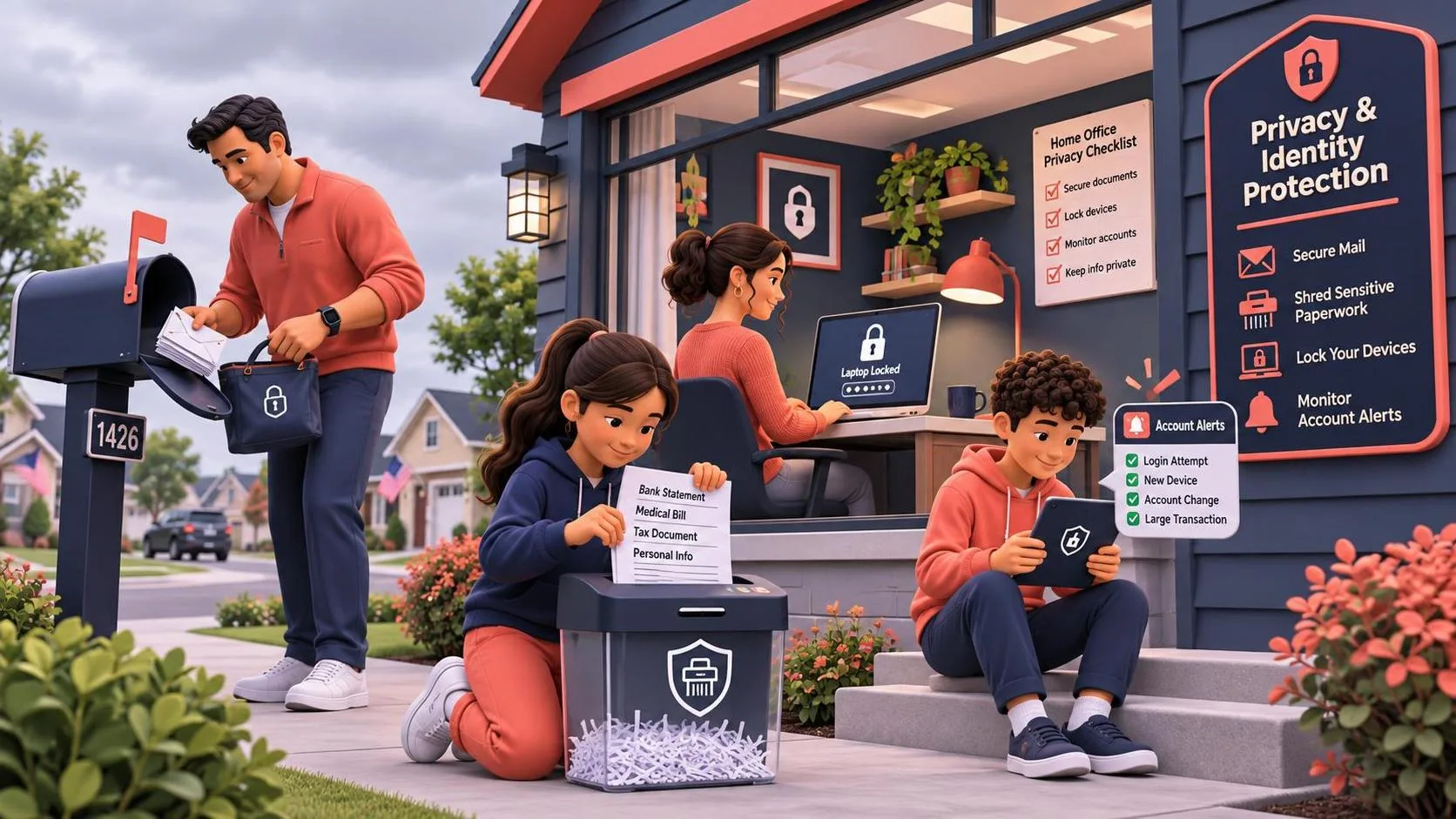
Wondering how to prevent identity theft? Start with two steps: freeze your credit at all three major credit bureaus and secure your primary email account. Those actions make it harder for someone to open new credit in your name or take over accounts through password resets. They cannot prevent every kind of fraud, but they are a useful place to begin. Take the next safe step, then work through the rest at a pace your household can manage.
Freeze your credit before you need to
A credit freeze restricts access to your credit reports, making it harder for an identity thief to open a new credit account that requires a credit check. Place a separate freeze with Equifax, Experian, and TransUnion. In the United States, placing, temporarily lifting, and removing a credit freeze is free.
Go directly to each bureau’s official website or contact it using a phone number you find independently. Keep your account credentials and any recovery information somewhere safe. When you apply for a loan, apartment, or another service that requires a credit check, ask which bureau the organization uses and temporarily lift the freeze there.
A freeze does not stop someone from using an existing credit card, filing a fraudulent tax return, or making every kind of account inquiry. You still need to review transactions and protect your accounts. Also, a credit freeze is not the same thing as a paid credit lock; you do not need to buy a subscription to freeze your credit.
If you have children, ask each bureau about placing a protected consumer freeze for a minor. The process requires documentation, and each bureau explains how to submit it. An adult helping an older relative should get that person’s permission and involve them in the process.
Secure the email account that opens other doors
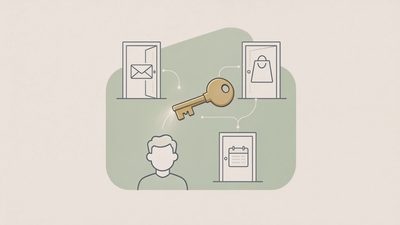
Your primary email is often the place where password-reset links arrive. Give it a long, unique password that you do not use anywhere else. A password manager can generate and store unique passwords, so you only need to remember its strong master password.
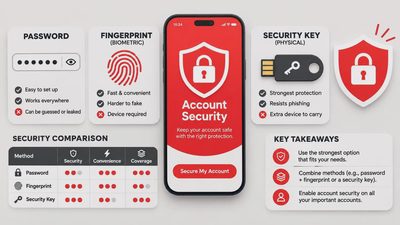
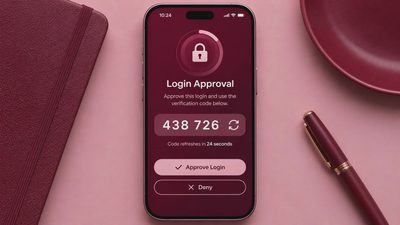
Turn on multifactor authentication, which asks for another proof of identity when you sign in. An authenticator app, a security key, or a passkey is generally a stronger choice against phishing than a texted code. If text messages are the only practical option, they are generally better than having no second factor.
Save recovery codes in a secure place you can reach if you lose your phone. Then review the account’s recovery email address and phone number. An outdated recovery number can lock you out, and an unfamiliar one deserves immediate attention. Do the same for important financial and mobile-carrier accounts.
Never give a one-time sign-in code to someone who calls or texts asking for it, even if they claim to be from your bank. End the conversation and contact the organization through its app or a number you looked up yourself. Caller ID and familiar-looking messages can be faked.
Check accounts and reduce what you share
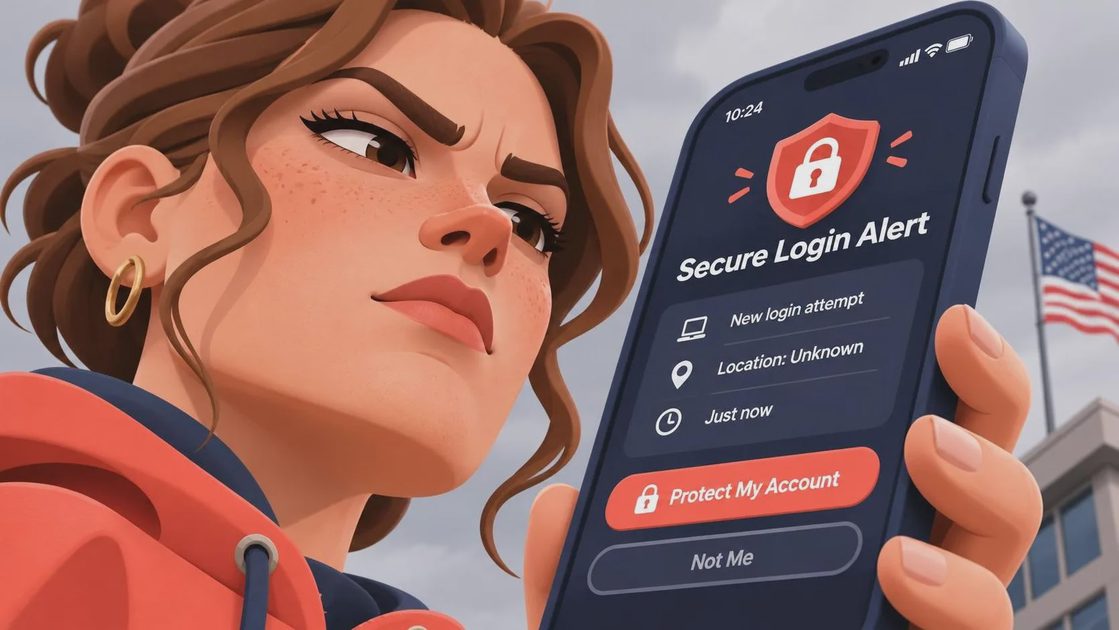
Turn on alerts for card purchases, withdrawals, and account changes where your bank offers them. Review statements regularly, including accounts you rarely use. A small unfamiliar charge is worth checking; it could be an innocent merchant name or a sign that someone has your card details.
Review your credit reports through AnnualCreditReport.com, the official site for requesting reports from the three major bureaus. Look for accounts you do not recognize, incorrect personal information, and inquiries you cannot explain. A credit report is not a complete fraud detector, but it can reveal problems a bank statement will not.
Limit where your Social Security number travels. If a form asks for it and the reason is not clear, ask: “Why is this needed, how will it be protected, and is there another way to identify me?” Some organizations have a legitimate need for it; others may be able to use another identifier.
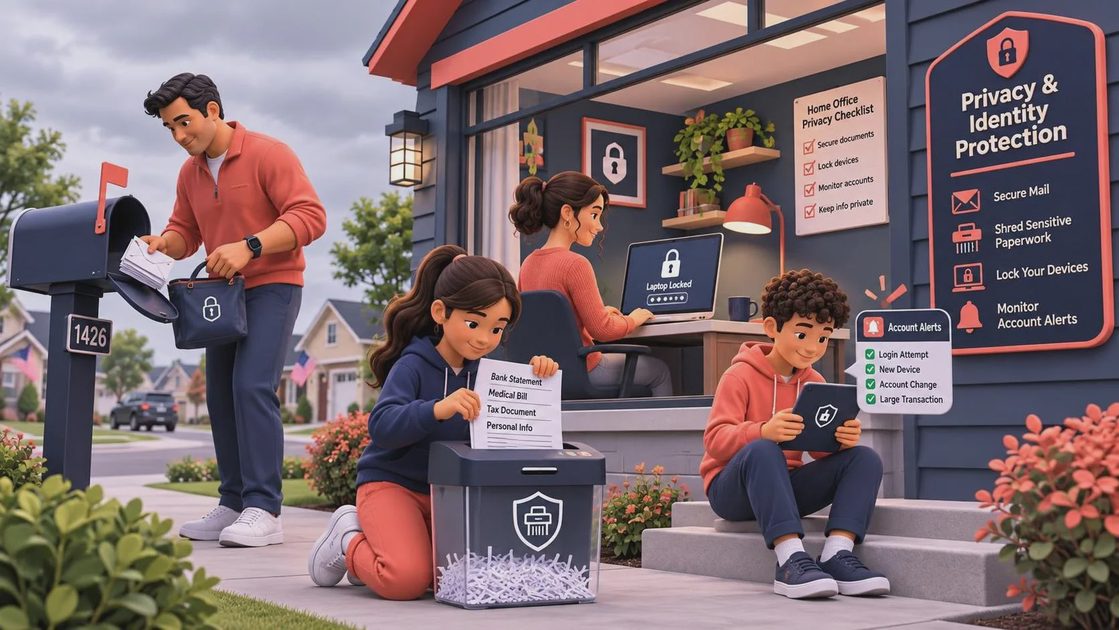
Keep sensitive documents out of unattended mailboxes when possible, shred papers containing account details before disposal, and update phones and computers when security fixes are available. These are sensible habits, not a promise that your information will never be exposed in a breach.
how to prevent identity theft? Make it a family conversation
Security works better when everyone knows whom to call without worrying about getting blamed. Try saying to a parent or partner: “If a message says there’s an urgent problem with your account, let’s pause and call the number on your card together.” Agree on a separate way to confirm unusual requests for money, including requests that appear to come from a relative.
For children, explain that passwords and verification codes are private, even from online friends. School accounts may have their own rules, so use the school’s support process rather than changing managed settings yourself. Store copies of important identity documents securely, and share them only when there is a clear reason.
Consider a paper incident card in a kitchen drawer: list the bank’s fraud number, the mobile carrier’s support number, and a trusted family contact. Do not write passwords or recovery codes on the card. For someone living alone, agree where the card belongs and who has permission to help.
If information is stolen, act without panic
A breach notice does not automatically mean someone has used your identity. Read what information was exposed and follow the organization’s instructions, but navigate to its website independently rather than clicking a surprise link. Change an exposed password anywhere it was reused, starting with email and financial accounts.
If you see an unauthorized transaction, contact the bank or card issuer immediately using a trusted number. Ask it to secure the account, explain how to dispute the charge, and tell you about any deadlines. Save relevant notices, transaction details, dates, and case numbers in a secure place; do not send sensitive documents to an unverified caller.
For suspected identity theft, report it at IdentityTheft.gov and follow the recovery steps that fit your situation. You can also place a fraud alert with one credit bureau, which must notify the other two. An initial fraud alert asks creditors to take extra steps to verify identity; it is different from a freeze and does not replace one.
If your phone suddenly loses service and you suspect someone moved your number, contact your carrier through a trusted channel and ask it to secure the account. This guide is general education, not individualized legal or financial advice. When the situation is complicated, a qualified professional can help you work through the next steps.